

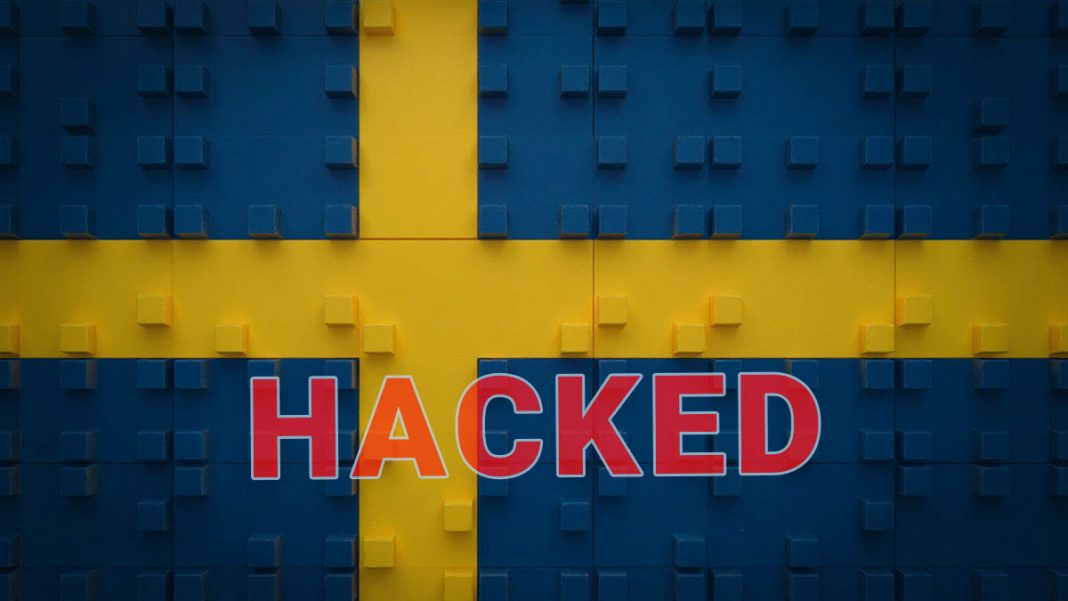
Sweden is facing a massive cyberattack that has disrupted operations across more than 200 municipalities, following a breach at Miljödata, a leading IT systems supplier responsible for roughly 80% of municipal platforms in the country. The incident highlights the growing threat of ransomware and the vulnerabilities within government IT infrastructures.
The attack targeted Miljödata, a Swedish software company specializing in work environment and HR management systems. Its platforms play a crucial role in processing medical certificates, rehabilitation cases, occupational injury records, incident reporting, and systematic work environment management (SAM). With so many municipalities relying on Miljödata, the scale of disruption is unprecedented.
According to reports, the attackers have not only disrupted services but also potentially stolen sensitive personal data. Local media sources indicate that the hackers are demanding a ransom of 1.5 Bitcoin (around $168,000) to prevent the publication of stolen information. Such a demand suggests that the attack could be linked to a sophisticated ransomware group, although no known collective has claimed responsibility yet.
Miljödata CEO Erik Hallén confirmed on August 25 that the cyberattack has affected more than 200 municipalities. He emphasized that the company is “working intensively together with external experts” to assess the situation, determine the extent of the data breach, and restore system functionality.
The consequences are already visible across regions like Halland and Gotland, where authorities have issued public warnings that personal information may have been leaked. Other municipalities reportedly affected include Skellefteå, Kalmar, Karlstad, and Mönsterås. The widespread nature of the incident underscores how deeply interconnected public sector IT systems are — and how a single supplier breach can cascade into a nationwide crisis.
Sweden’s Minister for Civil Defence, Carl-Oskar Bohlin, announced that the incident is under evaluation with assistance from CERT-SE and the national police. He cautioned that it is “too early to determine the actual consequences” of the breach, as investigations are still ongoing. In the meantime, Miljödata’s website and email servers remain offline, further complicating communication and recovery efforts.
This cyberattack comes just months after another high-profile ransomware case in January 2024, when Tietoevry, a major Swedish IT services provider, was compromised by the Akira ransomware group. That incident disrupted universities, businesses, and government organizations, highlighting a disturbing trend of repeated attacks on Swedish digital infrastructure.
The latest breach against Miljödata demonstrates the rising stakes in cybersecurity for public institutions. Not only do such attacks create operational chaos, but they also erode public trust in digital systems meant to safeguard sensitive information.
Conclusion: Sweden’s Miljödata cyberattack serves as a stark reminder that cybersecurity must be treated as a critical national infrastructure issue. As ransomware groups continue to target government suppliers, the need for stronger defenses, rapid response strategies, and international cooperation becomes ever more urgent.