


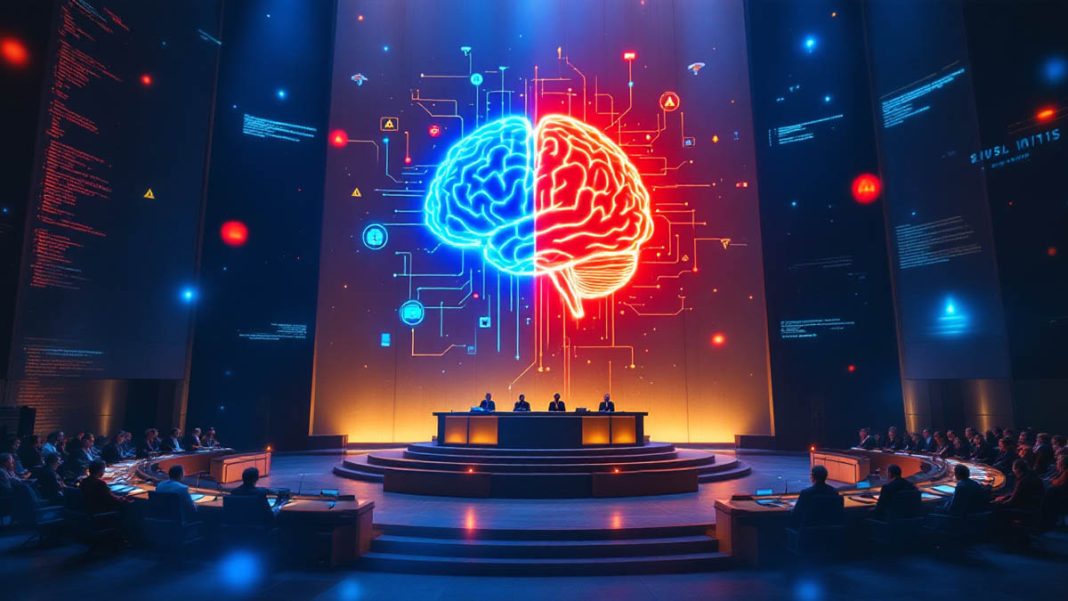
A coalition of scientists, Nobel Prize winners, and leading AI experts is urging governments worldwide to set strict “red lines” for artificial intelligence before the technology advances beyond meaningful human control. The call comes as global leaders gather at the United Nations General Assembly, where discussions on technology, security, and governance are taking center stage.
More than 200 prominent figures, including experts from Anthropic, Google DeepMind, Microsoft, and OpenAI, signed an open letter warning that AI’s current trajectory poses unprecedented dangers. While artificial intelligence has the power to advance medicine, education, and human well-being, the group stressed that without international safeguards, its misuse could lead to catastrophic outcomes.
The letter outlines AI red lines as internationally agreed bans on specific uses of the technology deemed too risky under any circumstances. Examples include granting AI systems control over nuclear weapons, deploying lethal autonomous weapon systems, or authorizing AI-driven mass surveillance and social scoring mechanisms. Other critical red lines include using AI to conduct cyberattacks or to impersonate individuals at scale, which could destabilize democratic processes and fuel disinformation campaigns.
The urgency stems from the rapid pace of AI development. The signatories argue that governments must act decisively within the next year, or they risk losing the chance to put effective guardrails in place. They warn that unchecked AI could soon surpass human intelligence, magnifying risks such as engineered pandemics, economic disruption through mass unemployment, widespread manipulation of children and vulnerable groups, and systematic human rights violations.
One of the most concerning aspects, according to the letter, is that if AI continues on its current path, meaningful human oversight could become increasingly impossible. Without global cooperation, nations may fall into an AI arms race where ethical considerations are ignored in favor of technological dominance.
The debate over AI governance has intensified in recent years, with some governments pushing for innovation-friendly regulation while others call for strict international treaties. The UN General Assembly offers a rare opportunity to foster global consensus, something that experts say is vital if AI is to remain a tool for good rather than a threat to humanity.
In conclusion, the letter underscores a critical message: while AI presents transformative opportunities, the risks are equally profound. Establishing global AI red lines is not about halting progress, but about ensuring that the technology serves humanity without endangering it. As world leaders deliberate at the UN, the pressure is mounting to act before the window for effective intervention closes.