

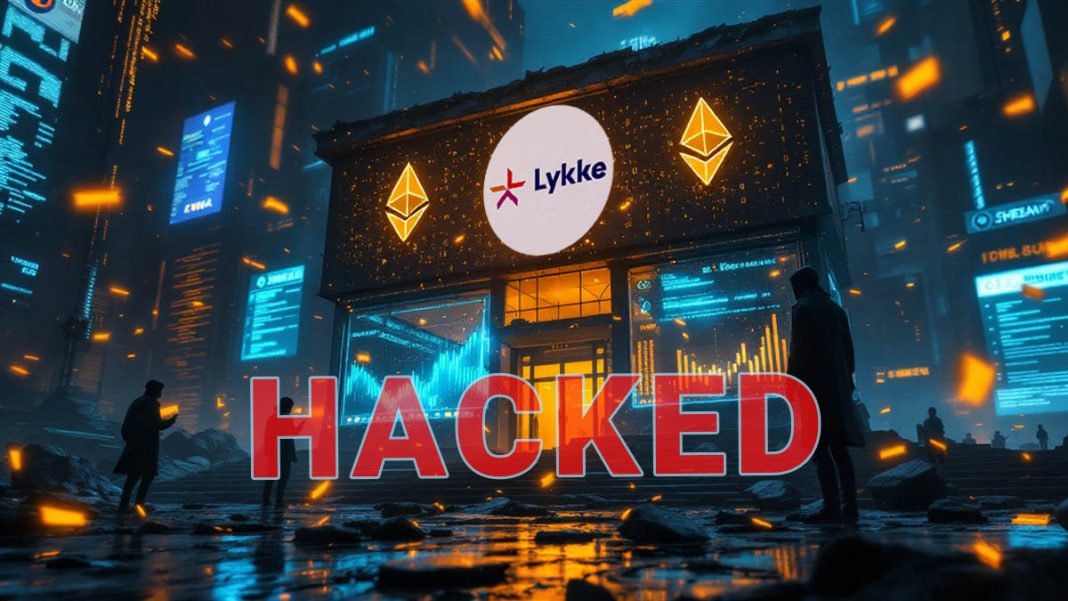
Lykke Shuts Down Following Major Cyberattack
The UK-based cryptocurrency company Lykke has been forced to shut down after suffering a devastating £17 million ($23 million) hack. The attack, attributed to the notorious North Korean cybercrime group Lazarus, targeted Bitcoin, Ethereum, and several other digital assets on the platform.
Founded in 2015 and headquartered in Switzerland but registered in the UK, Lykke was once considered a promising crypto exchange. However, the December 2024 attack left the company with no choice but to freeze trading operations and eventually announce its permanent closure.
Court Orders Liquidation After Investor Complaints
In March 2025, a British court ruled to liquidate the company after more than 70 investors filed lawsuits, demanding compensation for millions in lost funds. This legal action marked the final blow for Lykke, which had already been struggling to recover from the high-profile cyberattack.
North Korean Group Lazarus Behind the Breach
The UK Treasury’s Office of Financial Sanctions Implementation (OFSI) confirmed that the hack was conducted by cyber actors linked to the Democratic People’s Republic of Korea (DPRK). Independent blockchain analytics company Whitestream also traced the stolen funds back to Lazarus, a group long associated with state-sponsored cybercrime. According to investigators, the stolen crypto assets were laundered through two other cryptocurrency firms to conceal their origin.
Growing North Korean Cyber Threats in the Crypto Sector
This case highlights the increasing threat posed by North Korean hackers in the global cryptocurrency space. Beyond direct theft, these groups are known for using AI-generated identities to apply for jobs at tech firms or tricking developers with fake job offers, enabling them to infiltrate and exploit companies from within.
The Lazarus group has been tied to multiple multi-million-dollar hacks across exchanges and DeFi platforms, making it one of the biggest financial lifelines for the North Korean regime, which relies heavily on stolen digital assets to fund its sanctioned weapons programs.
Conclusion
The downfall of Lykke serves as a stark reminder of the risks facing cryptocurrency exchanges in today’s digital landscape. With state-backed cybercriminal groups like Lazarus targeting vulnerable platforms, the need for stronger cybersecurity measures, regulatory oversight, and investor protection has never been more urgent. As the crypto sector continues to grow, so too does the sophistication of those who seek to exploit it.