


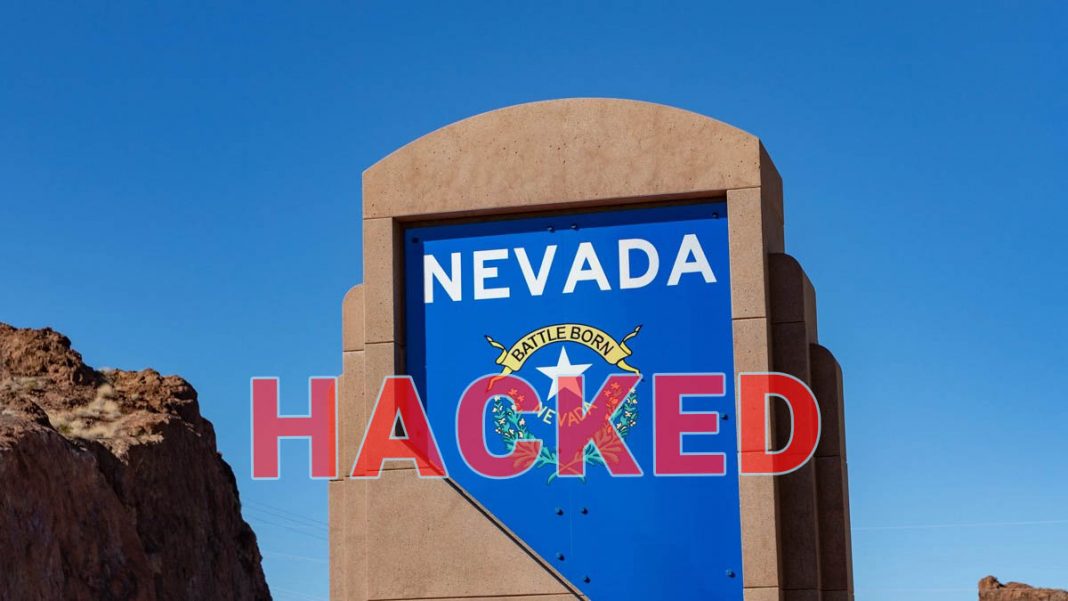
The State of Nevada is grappling with a widespread cyberattack that forced all state offices to close on Monday after a crippling disruption of websites, online platforms, and phone systems. The attack began early Sunday morning, triggering emergency responses across multiple agencies and raising concerns about the scale and nature of the incident.
According to the Governor’s Technology Office, the first signs of the intrusion appeared around 1:52 AM PT, when officials detected what was initially described as a “network issue.” Within hours, state websites became unresponsive, phone lines were intermittently down, and online services slowed to a crawl. In an official statement, the office confirmed that “teams are actively working to restore normal service,” but emphasized that full recovery may take time.
By Monday afternoon, Governor Joe Lombardo announced the closure of all state office locations, underscoring the seriousness of the breach. Later that day, the Governor’s office acknowledged that Nevada had suffered a cybersecurity incident and was engaged in round-the-clock recovery efforts. While investigators have not confirmed the type of attack, the extended downtime and disruption strongly suggest the possibility of a ransomware campaign, which often requires IT systems to be taken offline to contain the damage.
Despite the disruption, officials reassured residents that 911 and emergency services remain unaffected. However, the outage has disrupted critical public services, forcing residents to delay or cancel state-related appointments and transactions. The government further cautioned citizens to be alert to phishing attempts, such as unsolicited calls or emails requesting personal data, as attackers often exploit confusion during incidents of this scale.
One crucial point highlighted by the state is that, so far, there is no evidence that personally identifiable information (PII) has been stolen. However, cybersecurity experts warn that in many ransomware scenarios, threat actors maintain prolonged access to a network to exfiltrate sensitive data, even if they fail to encrypt or disable systems. This uncertainty leaves both state officials and residents on edge as investigations continue.
The Nevada government is now working in coordination with federal, local, and tribal agencies to contain the incident, identify the attackers, and restore services safely. Officials emphasize that systems must be fully validated before being returned to operation, highlighting the delicate balance between urgency and security.
Cyberattacks on U.S. state governments are not uncommon, and while they rarely lead to ransom payments, they often leave significant disruptions in their wake. For attackers, these campaigns frequently backfire, drawing greater attention from law enforcement while yielding little financial gain. For Nevada, the immediate priority remains restoring digital services and protecting citizens’ trust in the state’s cyber defenses.
Conclusion
The Nevada cyberattack highlights the growing risks that state governments face as digital infrastructure becomes increasingly critical to everyday governance. While officials race to restore normal operations, the incident underscores the urgent need for robust cybersecurity frameworks, proactive defense measures, and citizen awareness to mitigate the fallout of future attacks.