


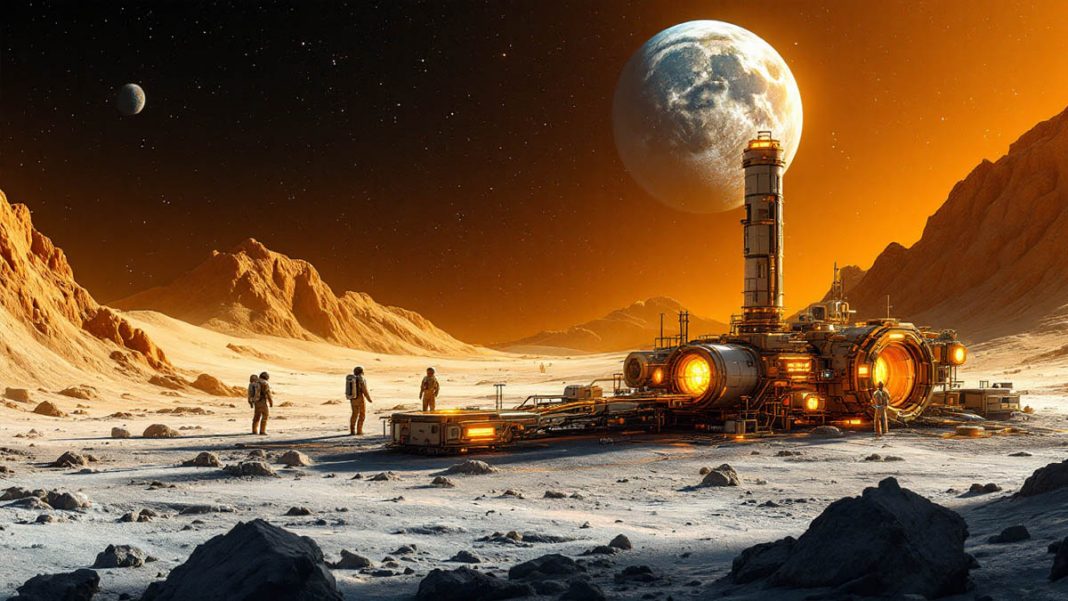
Powering the Next Space Era
The Moon is no longer just about flags and footprints. Today, the real competition revolves around building sustainable infrastructure, and at the heart of this race is nuclear power. With China aiming to deploy a nuclear power plant on the Moon by 2035 and NASA planning to launch its own reactor by 2030, the stakes are higher than ever. This contest is not simply about technology—it’s about influence, access, and long-term dominance in space exploration.
Why Nuclear Power on the Moon Matters
While solar energy has been a reliable source for satellites and rovers, the Moon presents unique challenges. With 14-day nights and permanently shadowed craters at the lunar south pole, solar power becomes unreliable. A small lunar nuclear reactor could generate continuous power for decades, fueling habitats, rovers, and even 3D printers. It’s not just about survival on the Moon—it’s about testing systems that will one day power missions to Mars and beyond.
The Legal Landscape: What International Treaties Say
Deploying nuclear power in space isn’t illegal. In fact, the Outer Space Treaty of 1967 and the 1992 UN Principles on Nuclear Power in Outer Space provide guidelines for safe and peaceful use. While no country can claim sovereignty over the Moon, placing infrastructure like a reactor can effectively shape the rules of engagement. Whoever builds first may set the norms for exploration, access, and cooperation.
Infrastructure as Influence
Building a nuclear reactor isn’t just about generating electricity—it’s about securing strategic advantage. The lunar south pole, rich in ice deposits, could supply water for drinking and oxygen, while also being a potential fuel source for rockets. Establishing a nuclear-powered base there would give the controlling country not only resources but also leverage over where and how others operate. Infrastructure becomes influence, and influence determines who leads the new era of space development.
Risks and Concerns
Critics point to potential risks, including radiation hazards and the dangers of operating reactors in space. However, advocates argue that with UN safety protocols and transparent international cooperation, these risks can be minimized. Properly managed, nuclear energy could provide the safest and most reliable path toward long-term human settlement beyond Earth.
The Future of Space Power
The race to build a lunar reactor is about more than science—it’s about global leadership. If the United States commits to transparency and cooperation, it could lead not just technologically but also diplomatically. The Moon’s future won’t be decided by flags planted but by the infrastructure built. In this race, nuclear energy may prove to be the foundation of humanity’s future among the stars.
Conclusion
As NASA and China move forward with their lunar nuclear ambitions, the world is watching closely. What unfolds on the Moon in the coming decade will shape not just space exploration, but also international law, cooperation, and the balance of power. In this new race, it’s clear: infrastructure is influence, and nuclear power is the key to unlocking the Moon’s future.