


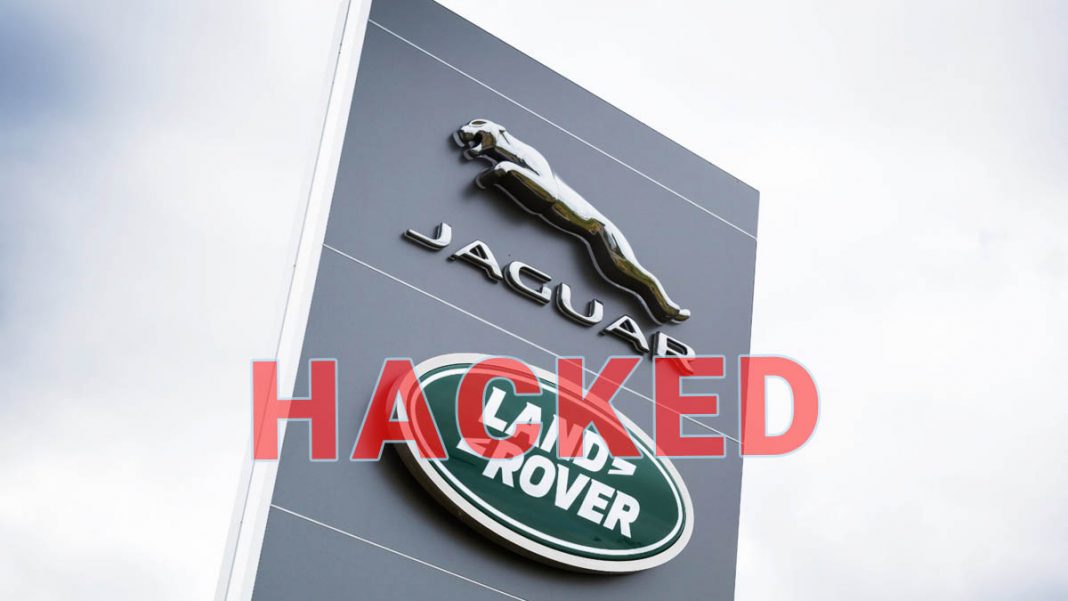
Jaguar Land Rover (JLR) has officially confirmed that data theft occurred during the recent cyberattack that forced it to shut down operations and halt production. The incident, first disclosed on September 2, severely disrupted manufacturing activities and highlighted the growing threat of cybercrime targeting major corporations.
JLR, which operates under Tata Motors India after being acquired from Ford in 2008, is one of the world’s most prominent automobile manufacturers. With annual revenue exceeding $38 billion and a workforce of nearly 39,000 employees, the company produces more than 400,000 vehicles annually. The attack not only crippled production lines but also raised significant concerns over potential exposure of sensitive information.
In its latest statement, JLR confirmed that “some data has been affected” and assured that relevant authorities and regulators have been notified. The company is conducting a forensic investigation with the assistance of cybersecurity specialists and the UK’s National Cyber Security Centre (NCSC). JLR emphasized that any individuals whose data may have been compromised will be contacted directly.
While the company has yet to attribute the attack to a specific cybercriminal group, claims have surfaced online. A group calling itself “Scattered Lapsus$ Hunters” has posted on Telegram, sharing alleged screenshots from JLR’s internal SAP systems. They also claimed to have deployed ransomware across the company’s infrastructure. According to the group, its members are linked to well-known extortion collectives including Lapsus$, Scattered Spider, and ShinyHunters.
The same group has been connected to recent Salesforce-related data breaches, where they leveraged stolen OAuth tokens from platforms such as Salesloft and Drift. This enabled them to infiltrate cloud services and steal data from a long list of high-profile companies. Reported victims include Google, Cloudflare, Palo Alto Networks, Zscaler, Proofpoint, CyberArk, BeyondTrust, JFrog, Qualys, Workday, HackerOne, and Fastly.
The scale of these coordinated attacks suggests that threat actors are increasingly targeting enterprise SaaS ecosystems, exploiting human error, social engineering, and token theft rather than relying solely on traditional malware infections. For global manufacturers like JLR, the risk is particularly acute given the reliance on complex digital supply chains and interconnected IT systems.
Cybersecurity experts warn that incidents of this nature underscore the urgent need for strong identity security, zero-trust architectures, and continuous monitoring to defend against advanced extortion groups. With ransomware actors shifting tactics toward data exfiltration and multi-vector breaches, organizations must invest not only in perimeter defenses but also in rapid response frameworks that minimize downtime and operational impact.
Conclusion: The Jaguar Land Rover cyberattack highlights how even industry giants with global operations are vulnerable to sophisticated cybercriminals. With stolen data confirmed, the incident serves as a reminder that cybersecurity resilience must remain a top priority for enterprises across all sectors. As investigations continue, the attack on JLR will likely become another case study in the evolving battle between corporations and advanced threat actors.