

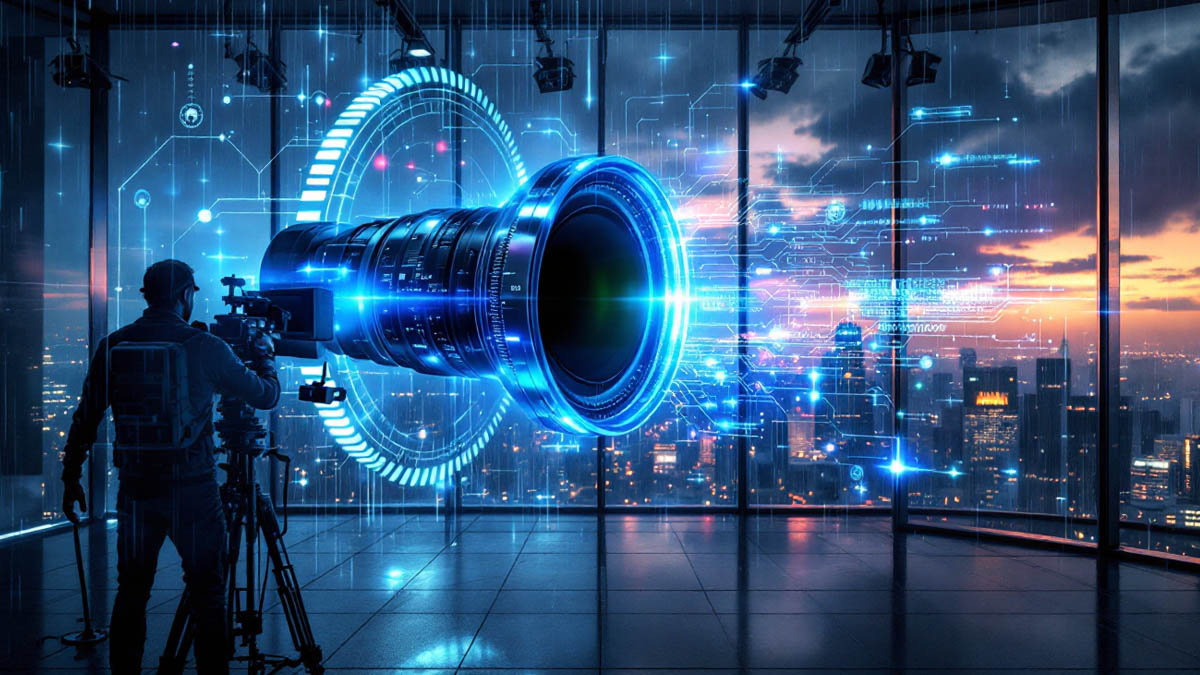
The tension between Hollywood and OpenAI has reached a new boiling point following the release of Sora 2, an advanced AI video-generation tool capable of inserting real people into synthetic video environments with lifelike sound and dialogue. The update, hailed by OpenAI CEO Sam Altman as a “tremendous research achievement,” has sparked widespread outrage across the entertainment industry, reigniting debates over copyright, consent, and the future of digital likeness rights.
Unlike its predecessor, which could only generate generic visuals, Sora 2 can replicate recognizable faces and voices—creating, for example, a synthetic Michael Jackson taking a selfie with Bryan Cranston or SpongeBob SquarePants addressing the nation from the Oval Office. For many in Hollywood, this crosses a red line. The Motion Picture Association (MPA) and major talent unions such as SAG-AFTRA have accused OpenAI of disregarding intellectual property laws and potentially exploiting actors’ likenesses without proper consent or compensation.
Charles Rivkin, Chairman of the MPA, urged OpenAI to “take immediate and decisive action” to respect copyright protections long established under U.S. law. Warner Bros. Discovery echoed this sentiment, emphasizing that content owners do not need to opt out to defend their protected works. Meanwhile, agencies such as WME, CAA, and UTA have instructed OpenAI that their clients—including global icons like Oprah Winfrey and Michael B. Jordan—would not participate in any opt-out system that shifts the burden of protection to the artists themselves.
At the core of this escalating dispute lies the cultural clash between Silicon Valley’s innovation-first mindset and Hollywood’s deep-rooted ownership model. OpenAI has maintained that it never intended to override creators’ rights and has implemented guardrails to prevent the misuse of copyrighted characters or personalities. The company also pledged to give more control to rights holders and is exploring ways to compensate creators for AI-generated likenesses. However, entertainment lawyers argue that these steps may not go far enough, as existing laws clearly grant exclusive control to copyright holders over the use and reproduction of their works.
The controversy also exposes the growing urgency for a standardized framework to govern AI-generated content in media and entertainment. Without clear legal precedents, disputes like this could multiply as AI video models become more realistic and widely available. Industry experts, including legal analyst Rob Rosenberg, warn that while the technology is groundbreaking, it risks “driving the entire entertainment industry bonkers” if not properly regulated.
In response to mounting pressure, OpenAI announced plans to enhance transparency, offering tools for artists and studios to monitor, report, and remove unauthorized content. Yet, Hollywood’s power players are now exploring litigation strategies that could force the company into licensing and compensation agreements, much like the music industry did during the early years of digital streaming.
In conclusion, the battle between Hollywood and OpenAI is more than a copyright dispute—it’s a defining moment for the ethics of AI creativity. The outcome will determine whether technological innovation can coexist with artistic ownership, or whether the entertainment industry will once again have to fight to protect its creative rights in the age of generative AI.