

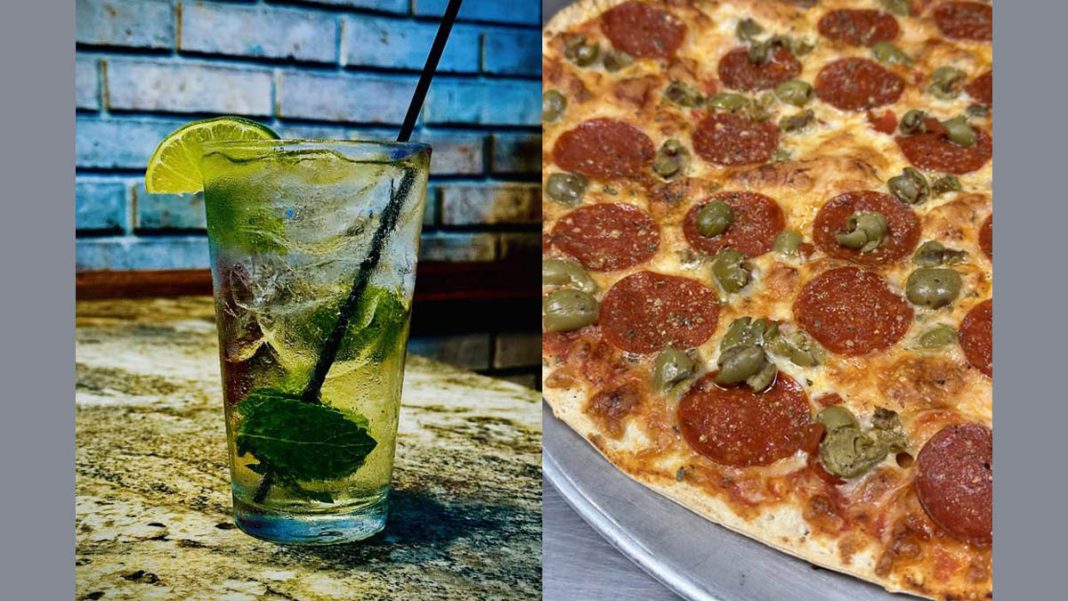
Artificial intelligence is quickly reshaping how people discover businesses online, but a recent case in the United States highlights the risks of relying too heavily on AI-generated information. An Italian restaurant in Wentzville, Montana, called Stefanina’s, faced a wave of frustrated and angry customers after Google’s AI assistant fabricated special offers that never existed.
For years, customers have turned to websites and social media pages to check restaurant menus, promotions, or daily specials. However, the rise of AI-powered search tools has introduced a new challenge: “hallucinations”, where algorithms invent facts or offers with complete confidence. Stefanina’s owners say this problem led to chaos when visitors demanded deals that were never part of the menu.
The restaurant recently posted a direct plea on Facebook: “Please do not use Google AI to find out about our specials. Visit our website or Facebook page instead. Google AI is not accurate and tells people about deals we don’t have, which leads to angry customers yelling at our staff. We cannot control what Google posts or says, and we will not honor AI-generated offers.”
According to co-owner Eva Hannon, the problem has been persistent. She explained that Google’s AI repeatedly made up menu items and promotions, such as offering a large pizza for the price of a small. Naturally, customers arriving with these expectations reacted negatively when the “exclusive” deal turned out to be pure fiction.
This is not an isolated case. Other businesses worldwide have reported serious consequences caused by AI inaccuracies. In Minnesota, a solar energy company filed a lawsuit against Google, claiming that AI-generated reviews spread misinformation damaging its reputation. Similarly, an Australian bank experienced increased workloads when AI replaced customer service employees, forcing management to rehire previously laid-off staff.
The Stefanina’s incident comes at a critical time, as Google expands its AI Mode search to 180 countries. Ironically, one of the premium features being promoted includes restaurant discovery and table booking, yet small businesses are already warning that the tool can spread unreliable information.
While AI tools can be powerful assistants for consumers, the incident underscores the importance of verifying details through official sources. Relying solely on generative AI for business information poses a real risk not only for customers but also for local businesses struggling to manage false expectations.
Conclusion
The uproar at Stefanina’s pizzeria shows how AI “hallucinations” are more than just a tech glitch — they can directly impact small businesses and customer trust. Until major platforms like Google address these reliability issues, both consumers and companies must treat AI suggestions with caution and prioritize official websites and social media for accurate information.