

The Federal Bureau of Investigation (FBI) has released a critical warning about cybercriminals creating fake versions of its Internet Crime Complaint Center (IC3) website. According to the FBI, these spoofed portals are being used by attackers to steal personally identifiable information (PII) and launch financial scams. While the agency has not disclosed specific attack campaigns, security researchers have already identified multiple fake domains attempting to mimic the legitimate IC3 platform.
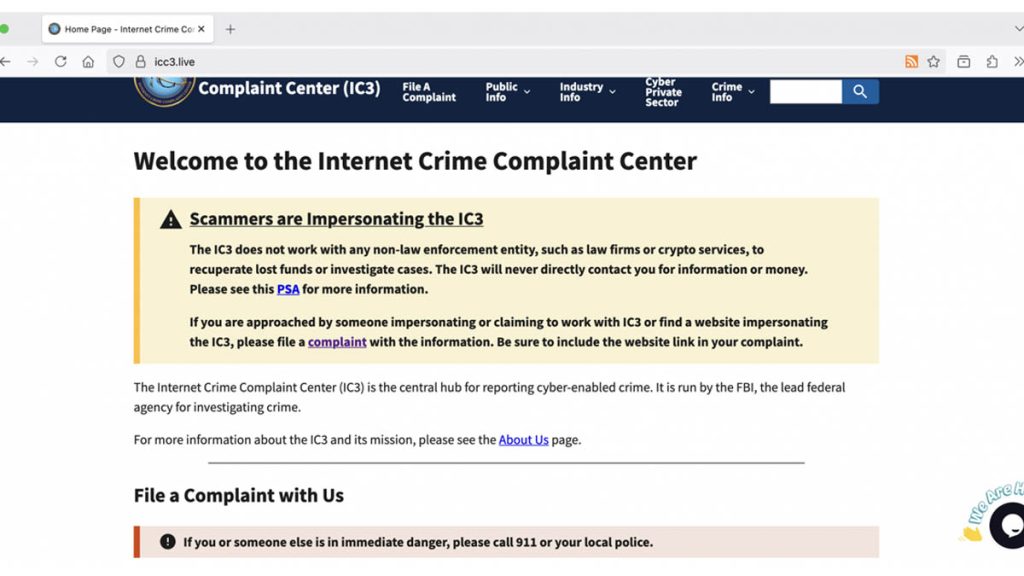
The threat lies in how spoofed websites are created. Cybercriminals often make small modifications to legitimate domain names, such as using alternate spellings or changing top-level domains, to trick unsuspecting users. Once victims enter sensitive data—including their name, address, phone number, email, or banking details—it can be harvested and misused in fraudulent schemes. This type of manipulation, known as typosquatting, continues to be one of the most effective methods in phishing campaigns.
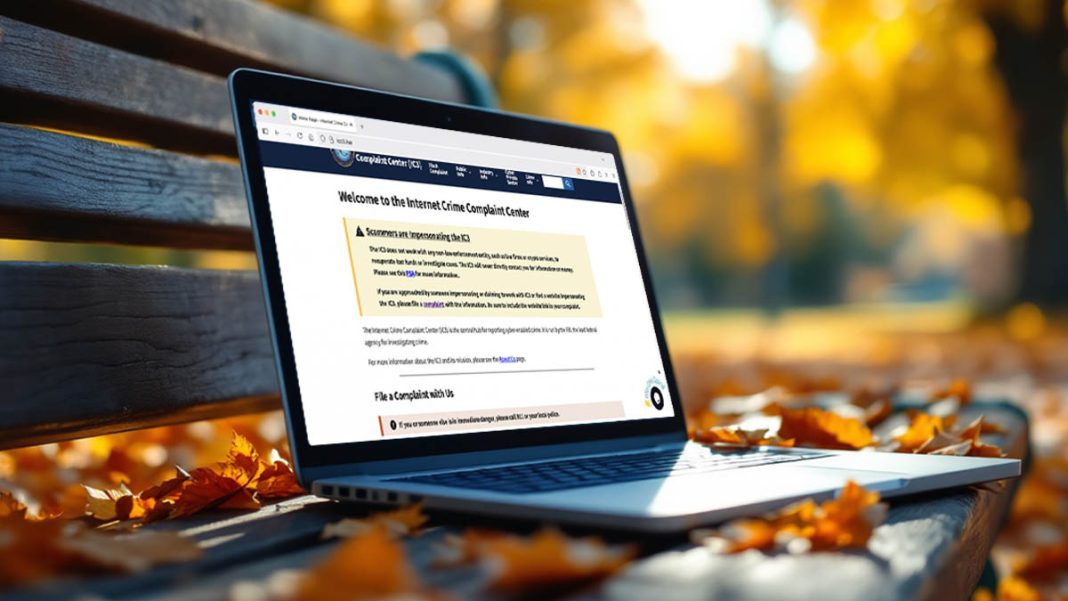
Ironically, one of the fake portals even displayed the same warning banner found on the legitimate IC3 website, which cautions visitors about scammers impersonating FBI employees. This tactic highlights the growing sophistication of cybercriminals, who are increasingly reusing official content to strengthen the credibility of their fraudulent sites.
The FBI emphasized that the legitimate IC3 site is only accessible via www.ic3.gov. To reduce exposure to these scams, users are urged to type the web address directly into their browser instead of relying on search engines or sponsored ads. Fraudsters frequently manipulate search advertising to redirect victims toward malicious clones of trusted websites.
Beyond technical advice, the FBI reiterated fundamental safety practices: never share personal details with strangers online, avoid sending money or cryptocurrency to unsolicited contacts, and remain cautious of individuals offering “fund recovery” services. Importantly, the FBI and IC3 staff will never request payment, nor will they contact victims through social media, mobile apps, or phone calls to recover stolen assets.
This warning follows a surge in reports from late 2023 to early 2025, where victims complained of being targeted by fake IC3 portals. International law enforcement agencies have also observed similar tactics. For instance, the Spanish National Police recently arrested six suspects who posed as Europol officers and U.K. lawyers to defraud cryptocurrency investors by demanding upfront tax payments.
The FBI also reminded the public that impersonation scams are not new. In previous alerts, the agency noted that criminals were spoofing phone numbers and using fabricated law enforcement credentials to extort money or steal personal data. These latest fake IC3 websites show that criminals are adapting old fraud techniques to new digital environments.
In conclusion, the rise of fake FBI reporting portals underscores the importance of cybersecurity vigilance. By verifying domains, avoiding suspicious links, and following FBI guidance, individuals can significantly reduce the risk of falling victim to these advanced social engineering attacks. As scammers continue to refine their methods, public awareness remains the strongest defense against online fraud.