


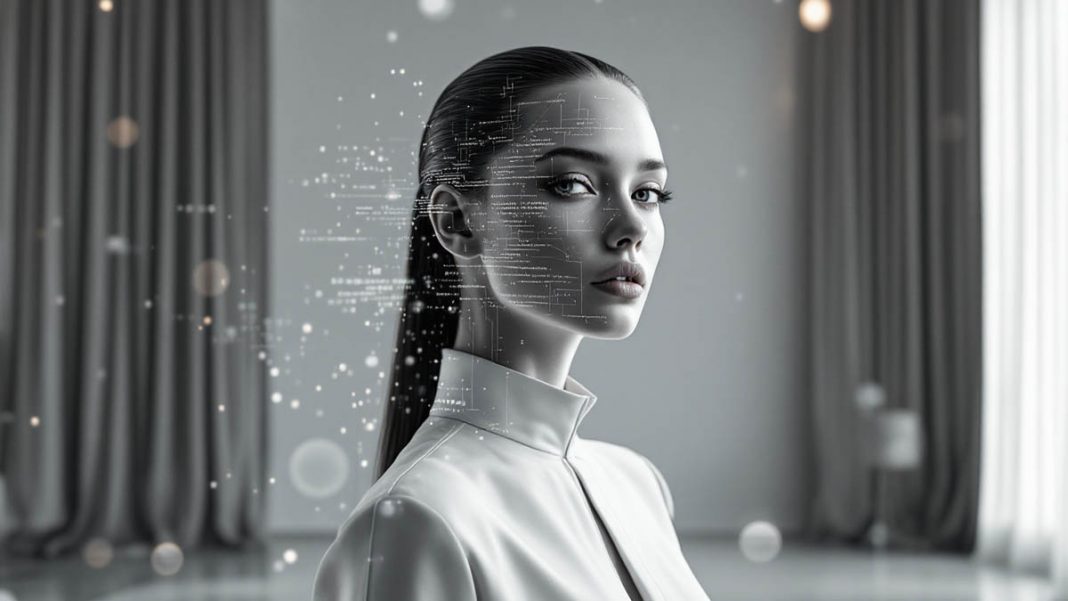
The Rise of AI Models: A Fashion Industry Revolution
The fashion world is witnessing a dramatic shift—one that’s replacing traditional models with AI-generated avatars. What once felt like sci-fi is now becoming a commercial reality, as top brands like Levi’s, Calvin Klein, and H&M embrace artificial intelligence to represent their clothing lines. But this innovation is sparking heated debates over ethics, authenticity, and the future of creative labor.
Why Brands Are Embracing Digital Models
AI models are more than just futuristic gimmicks—they offer massive advantages for companies needing to scale content fast. As Silverside AI’s PJ Pereira explains, “Fashion brands used to build four major campaigns a year. Now they need thousands of visuals for social media, e-commerce, and more. Traditional production just can’t keep up.”
By using AI, brands can:
- Reduce production costs by skipping expensive photoshoots
- Generate diverse visuals across body types, skin tones, and styles
- Customize content quickly for different platforms
- Test trends and respond faster to market demand
Fashion houses like Gucci, Prada, and Balenciaga are now using CGI influencers and digital faces that never age, tire, or complain—raising the bar for marketing consistency.
The Ethical Dilemma: Inclusion or Illusion?
But not everyone is on board. Commercial model Sarah Murray voiced concerns about the growing preference for digital over real talent. Her fear? AI isn’t enhancing diversity—it’s simulating it. For example, Levi’s created a campaign with digitally diverse avatars instead of hiring models with those real-world traits.
This raises pressing questions:
- Are brands truly promoting inclusion or just mimicking it for PR?
- What happens to thousands of models, stylists, and photographers as demand drops?
- Is this a case of innovation—or exploitation?
Activists like Sara Ziff from Model Alliance advocate for legal protections. Her proposed Fashion Workers Act would require brands to obtain consent and offer compensation when creating digital replicas of real people. This could allow models to appear in multiple campaigns and earn income even while offline.
Human Touch Still Matters
Despite the AI boom, many experts believe there’s still irreplaceable value in real humans. Art-tech creator Paul Mujino notes that people crave “sensual reality”—the subtle imperfections that make human faces engaging and authentic. Unique expressions, imperfect smiles, and lived-in looks create emotional connections no algorithm can replicate.
Model-turned-entrepreneur Sinead Bovell urges her peers to adapt: “Build your personal brand, launch a podcast, become a brand ambassador. Compete with AI on what it can’t do—be human.”
So, Is AI Here to Stay?
AI modeling is still in its experimental phase, says Ubooker’s Claudia Wagner. While the technology is impressive, many brands find the results lack the emotional depth of traditional shoots. Even so, Wagner and Pereira agree: AI is not going anywhere. It will either integrate into creative workflows or coexist with licensed digital versions of real people.
Conclusion: A New Era or a Passing Trend?
AI is undeniably transforming the fashion industry—bringing efficiency and scale while sparking deep ethical and professional concerns. Whether this is a passing phase or the dawn of a digital-first era, one thing is clear: the future of fashion is no longer just fabric and faces—it’s code and creativity.