


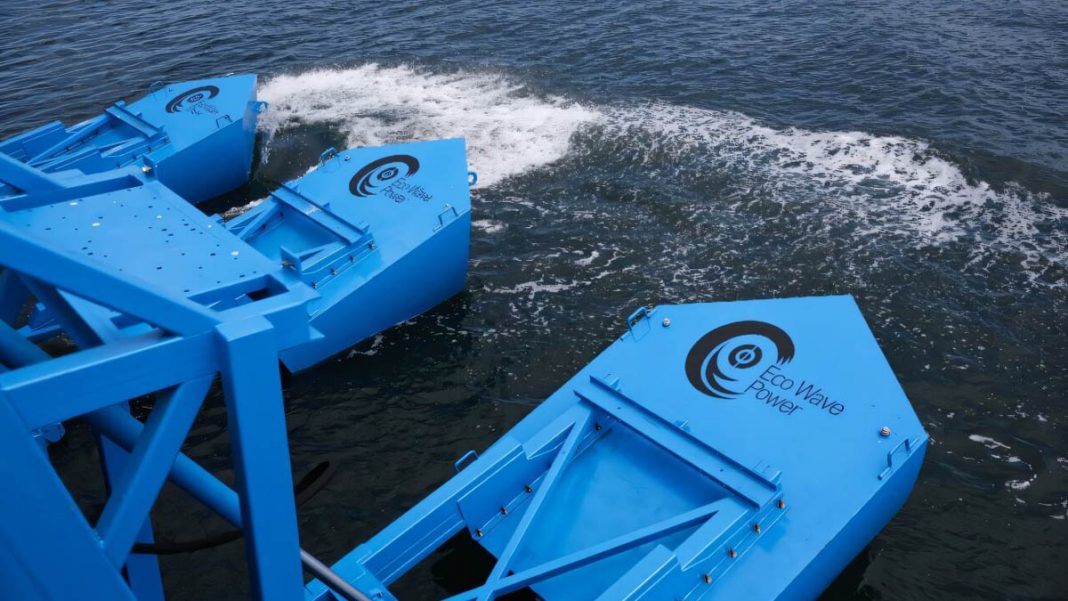
Floating blue paddles at the Port of Los Angeles are quietly reshaping the future of clean energy. These dock-mounted wave converters, developed by Israeli start-up Eco Wave Power, use the natural rise and fall of ocean waves to generate electricity. The project, which resembles a series of oversized piano keys, may offer one of the most reliable solutions to reduce dependence on fossil fuels and accelerate the transition to carbon-neutral energy.
The system is simple yet effective. The paddles connect to hydraulic pistons that push a biodegradable fluid through pipes into accumulators, which then release pressure to spin a turbine. The result is clean, renewable electricity with zero carbon emissions. If fully implemented along the 13-kilometer breakwater at the Port of Los Angeles, the technology could power up to 60,000 U.S. homes, making it one of the most promising renewable pilot projects in the nation.
Unlike solar panels that require sunlight or wind turbines that rely on favorable weather, wave energy is continuous. The ocean is in constant motion, providing an endlessly renewable and predictable source of energy. According to the U.S. Department of Energy, the waves off the American West Coast alone could theoretically power 130 million homes, supplying nearly a third of the nation’s annual electricity consumption.
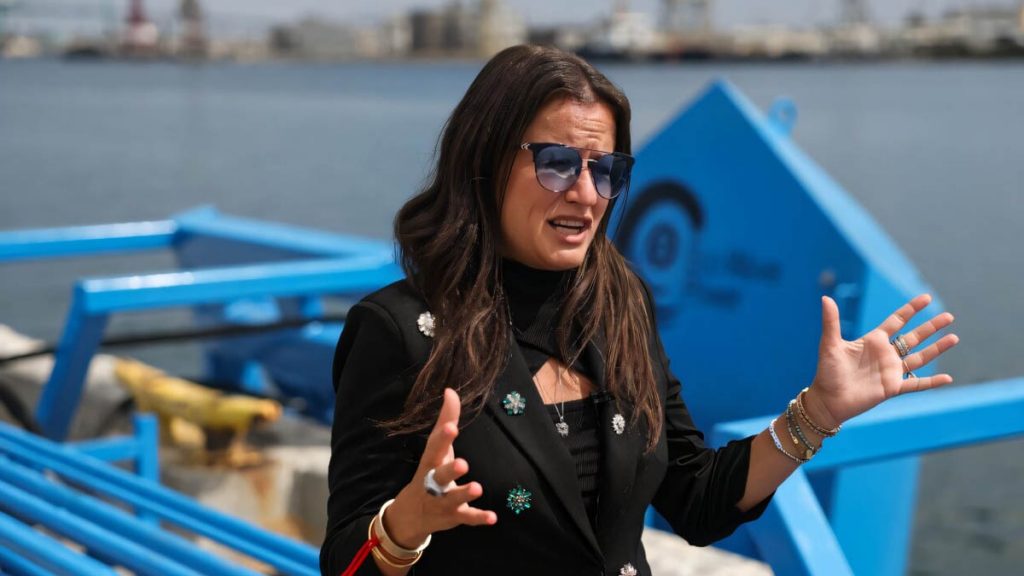
However, commercializing wave energy has historically been challenging. Many previous attempts failed due to the harsh conditions of the open sea, where devices broke down frequently and were costly to maintain. Inna Braverman, co-founder of Eco Wave Power, believes her design solves these problems. Instead of deep-sea installations, her company attaches retractable devices to existing docks and breakwaters. When storms hit, the floaters automatically rise to avoid damage, drastically reducing maintenance costs.
Experts agree this design is a breakthrough. Professor Krish Thiagarajan Sharman of the University of Massachusetts Amherst notes that maintenance costs have always been the “Achilles heel” of wave energy. Having devices installed close to shore means cheaper inspections, easier repairs, and improved reliability, making wave power more commercially viable than ever before.
Eco Wave Power is not stopping in Los Angeles. The company already powers homes in Jaffa, Israel, and is expanding to Portugal, Taiwan, and India, with the goal of scaling up to 20-megawatt projects capable of competing with wind energy on price. Importantly, the installations connect only to existing man-made structures, ensuring zero environmental harm to marine ecosystems.
The timing of this innovation is critical. With the rise of AI-driven technologies and data centers consuming unprecedented levels of energy, the demand for stable, renewable power sources is soaring. California’s Energy Commission has highlighted wave energy as a key component in achieving carbon neutrality by 2045. If successful, this project could serve as a blueprint for similar coastal regions worldwide.
Conclusion
The Port of Los Angeles wave energy project demonstrates how innovation and practicality can overcome long-standing barriers to renewable power. With its low maintenance costs, eco-friendly design, and massive scalability, wave energy may soon move from an experimental concept to a mainstream renewable solution. As the world seeks to reduce carbon emissions while meeting growing energy demands, the ocean could very well become one of the most powerful allies in the fight against climate change.