

South Korea Moves Toward Clearer Stablecoin Regulation with Dual Legislative Proposals
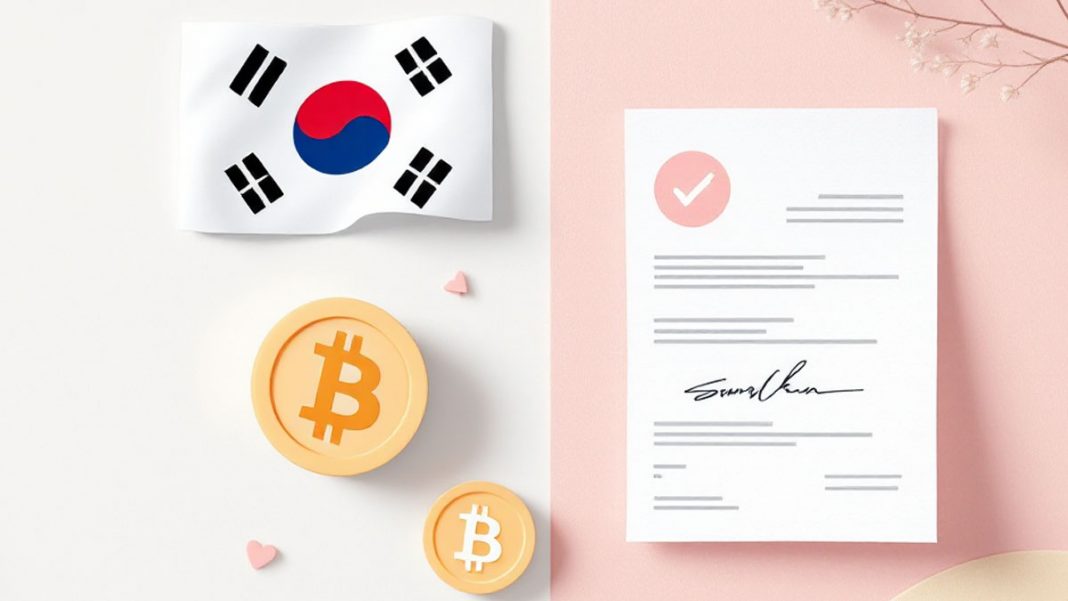
As global interest in stablecoins grows, South Korea is stepping into the spotlight with two competing proposals aimed at regulating this emerging digital asset class. Lawmakers from the ruling People Power Party and the opposition Democratic Party have each introduced separate bills, underscoring the country’s determination to both protect investors and nurture innovation.
Interest Ban vs. Innovation Focus
The Democratic Party’s bill, introduced by Ahn Do-geol, takes a more conservative stance by proposing a complete ban on interest payments for stablecoins. This move is designed to minimize risks associated with speculative investment and preserve stablecoins’ role as a payment medium rather than an income-generating asset.
In contrast, the People Power Party’s bill, led by Kim Eun-hye, avoids an outright interest ban and instead emphasizes transparency, licensing of issuers, and innovative growth in the digital payments space. This approach aligns with President Yoon Suk-yeol’s broader vision of a crypto-friendly South Korea aiming to become a digital asset hub in Asia.
Strengthening Regulatory Powers
Despite their differences, both bills agree on one critical point: empowering financial regulators. The proposed legislation would grant extraordinary authority to bodies such as the Bank of Korea and the Financial Services Commission (FSC). These regulators would gain rights to conduct inspections, request issuer data, and intervene when necessary to preserve monetary policy stability.
The bills also require full reserve backing for stablecoins, ensuring they are supported by highly liquid assets. This provision aims to prevent bank runs and assure users that their tokens are redeemable even during market volatility.
Capital Requirements and User Protection
Ahn Do-geol’s bill goes a step further by setting a minimum capital threshold of ₩5 billion (approx. $3.6 million) for issuers. It also guarantees user compensation within three working days in the event of bankruptcy. Importantly, the reserves must remain off-limits for seizure or collateral use, prioritizing user protection over corporate liabilities.
Transparency and Technical Standards
Meanwhile, Kim Eun-hye’s proposal stresses the need for issuers to submit detailed white papers and technical documentation, outlining how their stablecoins are structured and how reserve assets are managed. This would not only build trust but ensure issuer solvency and accountability through disclosure requirements.
Balancing Oversight and Innovation
Industry voices have welcomed the discussion but cautioned against overregulation. Rich O., APAC Manager at OneKey, emphasized the importance of finding balance: “Stablecoin regulation in Korea needs to combine government oversight with room for private-sector innovation. Too many restrictions may hinder Korea’s global competitiveness.”
Conclusion: A Defining Moment for South Korea’s Digital Asset Landscape
With both legislative proposals now under consideration, South Korea is at a crossroads. Whether the final outcome leans toward stricter control or innovation-led growth, one thing is clear: stablecoin regulation is coming, and it will likely reshape the country’s role in the global digital finance ecosystem. Stakeholders worldwide are watching closely, as the choices made in Seoul could set a precedent for other countries navigating similar challenges.