


A Giant Leap in Deep Space Communications
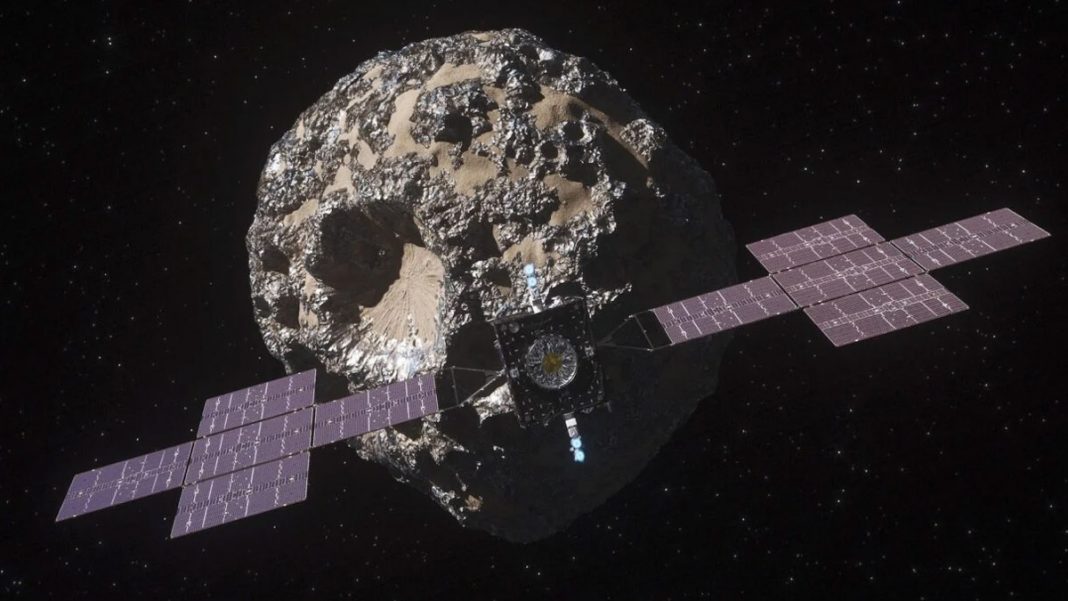
In a groundbreaking achievement, NASA scientists have successfully transmitted data between two spacecraft using laser communication, marking a major milestone in space technology. The experiment, part of the Deep Space Optical Communications (DSOC) project, involved the Psyche spacecraft, which is currently en route to the asteroid belt, and a ground-based station on Earth. This feat could lay the foundation for building a next-generation internet across the Solar System.
Laser vs Radio: The Speed Revolution
The highlight of the DSOC test was the unprecedented data transfer speed. Scientists recorded a transmission rate of over 200 megabits per second, far surpassing the capacity of traditional radio-frequency communication systems used in most space missions today. This leap in speed is crucial for future missions, allowing the relay of high-resolution images, videos, and large scientific datasets from deep space in near real-time.
Why Laser Communication Matters
The success of DSOC lies not only in speed but also in efficiency and reliability. Unlike radio waves, laser signals are highly focused, energy-efficient, and resistant to interference. This makes them ideal for long-distance missions where every watt of power and every bit of bandwidth matters. For future Mars missions, lunar bases, and even interplanetary probes, laser communication could become the standard for space data transmission.
225 Million Kilometers: Distance No Longer a Barrier
The laser used in the DSOC experiment maintained signal integrity across a staggering distance of 225 million kilometers. This breakthrough showcases the potential of laser technology to operate over vast expanses of space without significant loss of quality or reliability. As humanity sets its sights on Mars, such robust systems will be vital for ensuring constant and high-quality data links between astronauts, robotic explorers, and mission control back on Earth.
Toward a Solar System Internet
NASA views this successful trial as a step toward building a true interplanetary communication network — a “space internet” that connects satellites, rovers, orbital stations, and eventually, human colonies on other planets. This vision includes seamless data sharing between missions and spacecraft, enhanced collaboration among international space agencies, and a new era of space exploration driven by real-time information exchange.
HD Videos from Mars? It’s Coming Soon
Imagine streaming high-definition video from Mars or coordinating simultaneous research efforts across different planets. With laser communication, this is no longer science fiction. NASA believes that by perfecting laser-based systems, missions will be able to transmit rich multimedia content and massive data packages from deep space with ease. This will accelerate scientific discovery and improve mission outcomes across the Solar System.
Conclusion: The Future of Space Communication Is Here
NASA’s success with laser data transmission in deep space is a historic first that signals the dawn of a faster, more efficient, and more connected era of space exploration. As this technology matures, it promises to transform how we communicate across planets and could become the backbone of the future interplanetary internet. The sky is no longer the limit — it’s just the beginning.