

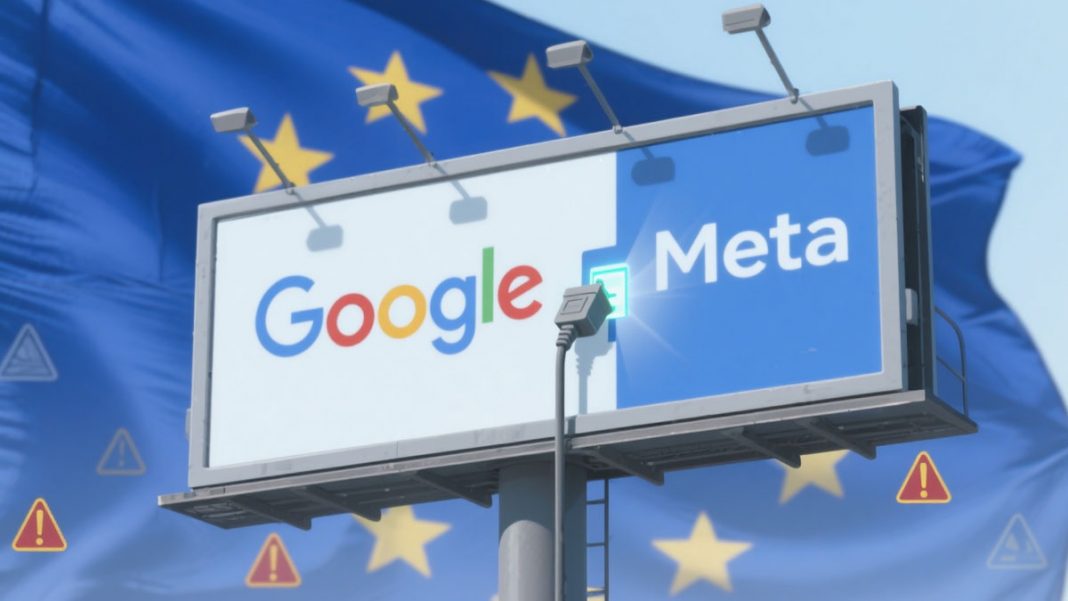
Meta and Google to Halt Political Advertising in Europe
In a bold move that underscores the growing tension between Big Tech and European regulators, Meta has announced it will cease all political advertising in the EU starting this October. This decision comes in response to the European Union’s new law on political transparency, formally known as the Transparency and Targeting of Political Advertising (TTPA), which introduces strict compliance demands for platforms and advertisers alike.
Why Meta Says “No” to the New Rules
According to Meta, the TTPA introduces “unworkable” obligations that are incompatible with its current systems. In a detailed blog post, the company said the legislation creates “an untenable level of complexity and legal uncertainty.” The new law, adopted in 2024, mandates platforms to label political ads clearly, disclose sponsor details, list targeting parameters, costs, and tie each ad to a specific election or referendum.
Additionally, advertisers must gain explicit user consent before using personal data for political targeting—a sharp deviation from current practices. Some data types, like those revealing racial origin or political beliefs, are now outright banned for use in profiling. For Meta, whose core business thrives on advanced ad targeting, this represents a fundamental disruption.
Google Follows Suit
Shortly after Meta’s announcement, Google confirmed that it, too, would end the sale of political ads in the EU by October. The search giant echoed Meta’s concerns, citing “significant operational challenges and legal uncertainty” stemming from the regulation.
Both companies emphasized that adapting to the law would require them to offer ad services that are either too limited or too risky to justify maintaining them in the region. The alternative? Walk away from political advertising altogether—at least in the EU.
A Larger Pattern of EU vs. Big Tech
This move is not an isolated incident but rather part of a broader trend. Over the past few years, the European Union has ramped up its oversight of major tech firms, with initiatives such as the AI Act, Digital Markets Act, and Digital Services Act, alongside tighter rules on ad tracking and user privacy. The result has been an increasingly regulated digital environment where compliance costs continue to mount for global platforms.
What This Means for EU Elections and Democracy
While the EU maintains that the TTPA aims to enhance transparency and combat disinformation, critics warn that it could backfire. By driving major platforms out of the political ad space, the law may reduce the visibility of smaller political campaigns that rely on these tools to reach voters. Furthermore, voter engagement through digital channels may decline, potentially creating information gaps.
Conclusion: A New Era for Political Advertising in Europe
With Meta and Google both bowing out of the EU’s political ad market, October will mark a significant shift in how campaigns reach European voters. The TTPA’s intentions to improve accountability are clear, but its implementation is now testing the limits of regulatory impact on innovation and access. As the EU continues to lead in digital policy, tech companies and lawmakers will need to find better ways to collaborate—or risk breaking the very tools that connect democracies to their citizens.