


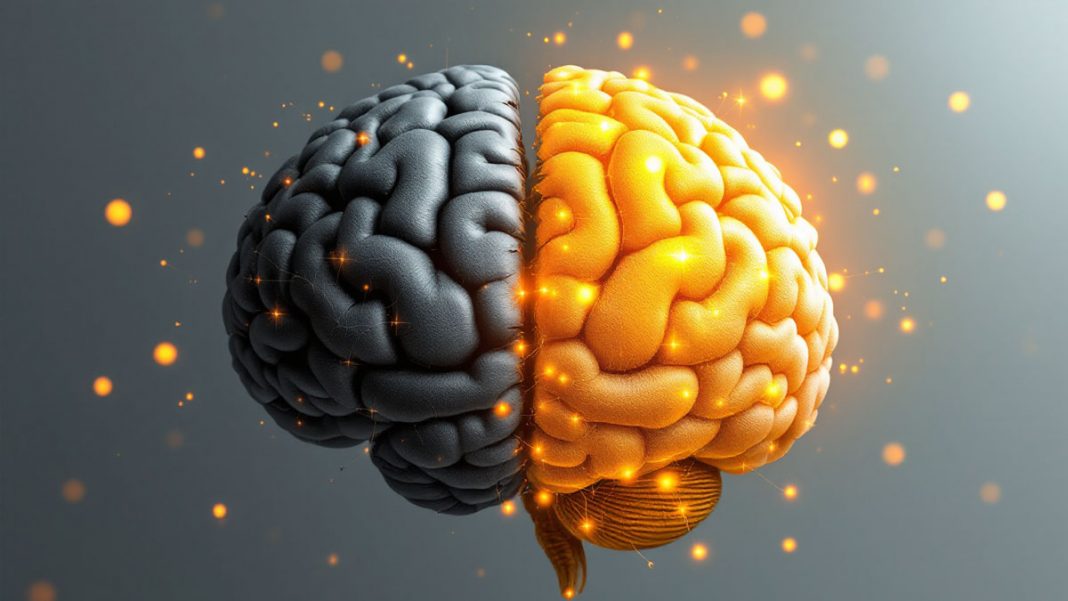
How the Brain Reveals the Power of Optimism
In a fascinating new neuroscience study, researchers discovered that optimists exhibit similar patterns of brain activity when envisioning future events, while pessimists show more varied responses. This finding suggests that optimism may be more than just a personality trait—it might be rooted in common neural mechanisms that influence how we connect with others.
The Study: Scanning Optimism and Pessimism
Conducted at Kobe University in Japan, the study involved scanning participants’ brains using fMRI technology while they imagined future events involving themselves or their partners. These scenarios ranged from positive to neutral to negative. Afterward, participants completed psychological assessments to determine where they fell on the optimism–pessimism spectrum.
The key focus was on the medial prefrontal cortex, an area of the brain associated with thinking about the future. Interestingly, only pairs of optimistic individuals showed similar brain activation patterns. Pairs involving pessimists—or mixed pairs—displayed little neural resemblance.
What Makes Optimists More Alike?
Lead researcher Kuniaki Yanagisawa explained that optimists seem to rely on shared mental models when thinking about the future. This could help explain why optimists often enjoy stronger social ties and are more likely to form meaningful connections.
The idea echoes Leo Tolstoy’s famous line from Anna Karenina: “All happy families are alike; each unhappy family is unhappy in its own way.” In brain terms, all optimists are alike in how they process future happiness, while pessimists diverge uniquely in how they anticipate challenges.
Social Bonds and Mental Synchrony
Optimists tend to have larger social circles, and this research suggests it may stem from their shared cognitive frameworks. When people are “on the same wavelength,” it becomes easier to form friendships, build trust, and collaborate.
The study also raised new questions. Could cultural values shape how optimism manifests in brain activity? Is there overlap between optimism, social network centrality, and loneliness? Researchers believe more work is needed to separate these intertwined variables.
The Limits of Optimism and the Role of Pessimism
Despite the positive findings, scientists warn that extreme optimism can lead to poor planning. As psychologist Alea Devitt notes, being overly hopeful might mean ignoring risks. Conversely, “defensive pessimism”—strategically anticipating worst-case scenarios—can improve preparedness and outcomes.
Conclusion: The Brain Echoes Tolstoy
This study reveals a profound insight: optimists literally think alike, while pessimists do not. Our brains, it seems, reflect Tolstoy’s literary wisdom. As science continues to uncover the neural roots of our emotions and expectations, understanding the shared pathways of optimism may unlock new ways to strengthen mental health and social resilience.