


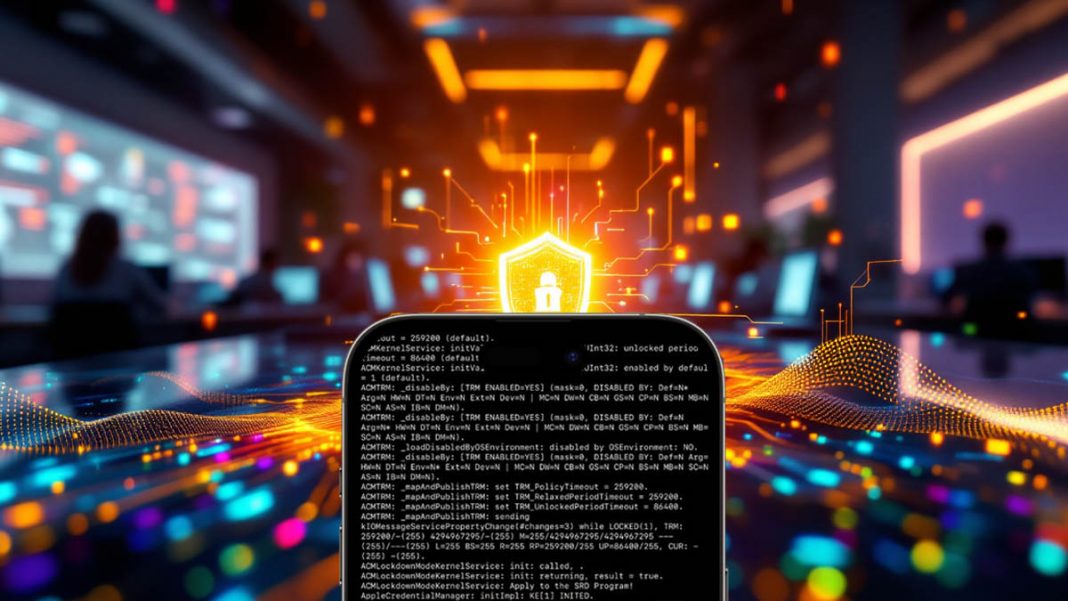
Apple has officially opened applications for its Security Research Device Program (SRDP) 2026, inviting ethical hackers and cybersecurity experts to join its next cycle. The program, designed to bolster iOS security, provides participants with specially configured iPhones that are intentionally made “hackable” to identify vulnerabilities without bypassing built-in protections. Applications are open until October 31, 2025, and only researchers with verified experience in uncovering security flaws on Apple platforms or other modern operating systems will be considered.
Participants will receive exclusive research iPhones under a renewable 12-month agreement. These devices are not intended for personal use but are tailored for in-depth security testing, offering shell access, early access to Apple’s software and security features, and specialized tools to support vulnerability discovery. This controlled environment enables white-hat hackers to push iOS to its limits while adhering to ethical and legal frameworks.
Researchers enrolled in the SRDP can also benefit from Apple’s bug bounty program, where rewards for valid findings can reach impressive sums. In 2024, Apple disclosed that it had paid out over $500,000 in individual cases and collaborated with more than 100 researchers through the program. This underscores Apple’s recognition of the vital role the cybersecurity community plays in safeguarding billions of iPhone users worldwide.
Although Apple has not yet confirmed which model will be distributed for the 2026 program, experts speculate it could be the iPhone 16 or iPhone 17. The latter already includes a new Memory Integrity Enforcement (MIE) feature, an advanced defense mechanism aimed at preventing spyware from exploiting kernel-level vulnerabilities. Built on the Enhanced Memory Tagging Extension (EMTE), MIE provides continuous memory protection across the kernel and more than 70 user processes, significantly reducing the risk posed by spyware tools like Pegasus.
By combining cutting-edge device security with community-driven testing, Apple continues to strengthen its position as a leader in mobile security. The SRDP not only empowers researchers with the right tools but also ensures that vulnerabilities are identified and patched before they can be exploited by malicious actors.
Conclusion
The 2026 SRDP initiative highlights Apple’s commitment to transparency and proactive defense against evolving cyber threats. By equipping skilled security researchers with dedicated devices and incentivizing discoveries through bug bounties, Apple is building a stronger security ecosystem around iOS. As spyware and advanced attacks become more sophisticated, programs like SRDP are essential for maintaining user trust and protecting millions of devices worldwide.