

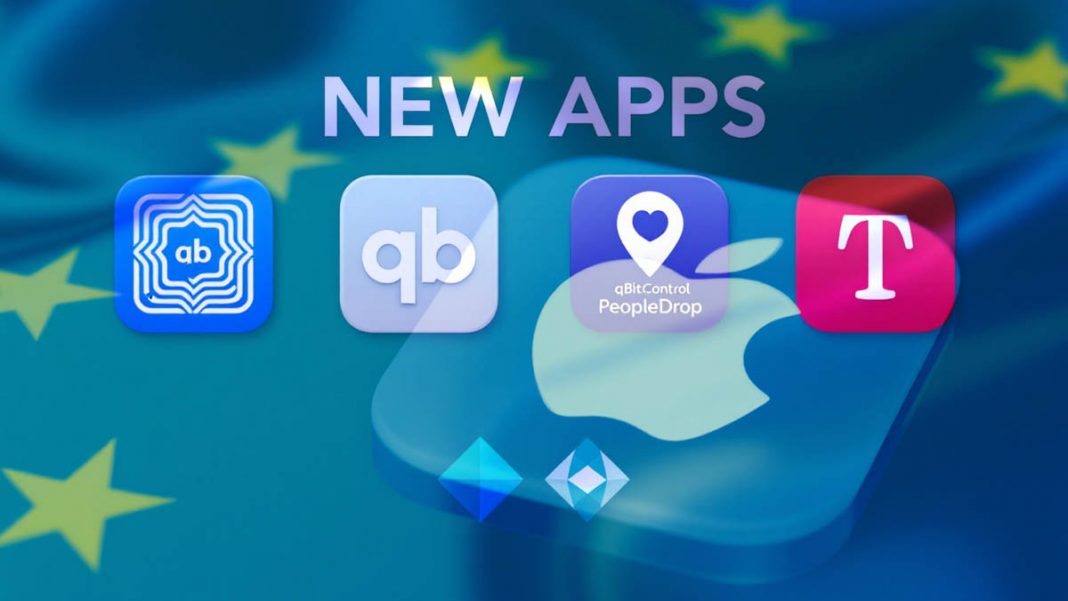
Apple is once again at the center of a heated debate in Europe after blocking the iTorrent application from distribution through AltStore PAL, an alternative app marketplace available under new EU Digital Markets Act (DMA) rules. While Apple was forced to allow third-party app stores on iOS, the company introduced a notarization model—a system previously used on macOS—which allows it to revoke distribution rights of apps it deems problematic. This means that even if an app is installed outside of the App Store, Apple can still disable it remotely by withdrawing notarization.
The controversy began when multiple users reported issues downloading iTorrent via AltStore PAL. Initially, the developer assumed the problem was tied to AltStore, but later confirmed that Apple had silently removed the app’s notarization from his developer account. As a result, he could no longer authorize the distribution of the app. He reached out to Apple Support, but communication has so far remained vague, with Apple merely stating the matter was escalated internally.
This isn’t the first time Apple has blocked apps through this system. In the past, the company revoked notarization for Mini vMac, an emulator for vintage Mac systems, citing violations of trademark usage and licensing restrictions. However, in the case of iTorrent, the reasons remain unclear. Some speculate that Apple may be enforcing its long-standing anti-torrenting policy, while others believe the company is using security concerns as justification.
From a technical perspective, Apple’s notarization process involves a code-signing validation, malware scanning, and compliance check with Apple’s policies. If a developer or app fails these checks—or violates licensing agreements—Apple has the legal and technical ability to revoke notarization. This ensures that malicious or unsafe apps don’t reach end users, but it also grants Apple a powerful gatekeeping mechanism, even in third-party app ecosystems.
The situation raises broader questions about the real freedom offered by alternative app stores in Europe. While the DMA was designed to break Apple’s monopoly on iOS app distribution, the notarization requirement effectively means that Apple still controls what apps can and cannot be installed on iPhones and iPads. Critics argue this undermines the spirit of EU regulations and could discourage developers from investing in alternative distribution channels.
For now, iTorrent remains unavailable on AltStore PAL until Apple clarifies its position or reinstates its notarization. The case highlights the tension between platform security and digital freedom, and it will likely fuel ongoing scrutiny of Apple’s compliance with EU competition rules.
Conclusion: Apple’s move to block iTorrent through notarization showcases the double-edged sword of security controls in alternative app ecosystems. While the system protects users from potential risks, it also allows Apple to maintain tight control over independent developers, raising doubts about how much freedom the EU’s alternative app store framework truly provides.